Debt relief is a crucial financial topic that offers various solutions to individuals struggling with debt. From debt consolidation to bankruptcy, the options can be overwhelming yet empowering when understood thoroughly. Let’s delve into the world of debt relief to uncover the pathways to financial freedom.
Types of Debt Relief
Debt relief options are available to help individuals manage their financial burdens and work towards a debt-free future. Three common types of debt relief include debt consolidation, debt settlement, and bankruptcy. Each method has its own unique approach to addressing debt issues.





Debt Consolidation
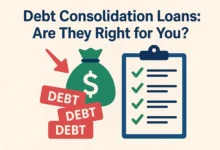
Debt consolidation involves combining multiple debts into a single loan with a lower interest rate. This can make it easier to manage payments and reduce overall debt. For example, an individual with credit card debt, medical bills, and a personal loan may choose to take out a debt consolidation loan to pay off these debts and have only one monthly payment to make.
Debt Settlement
Debt settlement involves negotiating with creditors to settle debts for less than the full amount owed. This can be a viable option for individuals who are unable to make full payments on their debts. For instance, a person with significant credit card debt may work with a debt settlement company to negotiate lower payoff amounts with their creditors.
Bankruptcy
Bankruptcy is a legal process that allows individuals to eliminate or restructure their debts under the supervision of a court. There are different types of bankruptcy, including Chapter 7 and Chapter 13, each with its own requirements and implications. For example, someone facing overwhelming debt may file for Chapter 7 bankruptcy to have their debts discharged, while Chapter 13 bankruptcy involves creating a repayment plan over several years.
Benefits of Debt Relief
Debt relief offers numerous advantages for individuals struggling with financial burdens. It provides a pathway towards regaining financial stability and peace of mind by reducing or eliminating debt.
Reduced Financial Stress
Debt relief programs can significantly reduce financial stress by helping individuals lower their overall debt burden. This allows them to focus on rebuilding their financial health without the constant worry of overwhelming debt payments.
Improved Credit Score
By successfully completing a debt relief program, individuals can improve their credit score over time. As they pay off their debts and manage their finances more effectively, their creditworthiness increases, opening up opportunities for better interest rates and financial products.
Financial Freedom
Debt relief can provide individuals with a sense of financial freedom and control over their finances. By eliminating debt or restructuring payments, individuals can start fresh and work towards achieving their financial goals without being weighed down by past debts.
Success Stories
Many individuals have successfully benefited from debt relief programs, sharing stories of how they were able to overcome financial challenges and regain stability. These success stories serve as inspiration for others facing similar situations, showing that there is hope for a brighter financial future with the right support and strategies in place.
Debt Relief Agencies
Debt relief agencies play a crucial role in assisting individuals who are facing financial challenges and struggling with overwhelming debt. These agencies offer various services and solutions to help clients manage and reduce their debt burdens, providing much-needed support and guidance during difficult times.
Types of Debt Relief Agencies
- Credit Counseling Agencies: These agencies provide financial education, budgeting assistance, and debt management plans to help individuals repay their debts effectively.
- Debt Settlement Companies: Debt settlement companies negotiate with creditors on behalf of clients to lower the total amount owed, typically through lump-sum payments or installment plans.
- Debt Consolidation Services: Debt consolidation services combine multiple debts into a single loan with a lower interest rate, making it easier for individuals to manage their payments.
Accreditation and Credibility Factors
- Look for Accreditation: Choose a debt relief agency that is accredited by reputable organizations such as the National Foundation for Credit Counseling (NFCC) or the Financial Counseling Association of America (FCAA).
- Check Reviews and Ratings: Research online reviews and ratings of debt relief agencies to gauge their reputation and track record of success in helping clients resolve their debts.
- Transparency and Fees: Ensure that the agency is transparent about its fees and provides clear information about the services offered, avoiding any hidden costs or deceptive practices.
- Professionalism and Experience: Select a debt relief agency with experienced and knowledgeable professionals who can provide personalized advice and solutions tailored to your specific financial situation.
Debt Relief Programs
Debt relief programs are structured plans designed to help individuals manage and reduce their debt burden. These programs typically involve negotiating with creditors to lower interest rates, consolidate debts, or establish a more manageable payment plan.
Key Features of Debt Relief Programs
- Professional Assistance: Debt relief programs are often administered by financial experts who can provide guidance and support throughout the process.
- Negotiation with Creditors: These programs involve negotiating with creditors to lower interest rates, reduce penalties, or even forgive a portion of the debt.
- Debt Consolidation: Some programs may consolidate multiple debts into a single, more manageable payment.
- Customized Plans: Debt relief programs are tailored to individual financial situations, providing personalized solutions for each client.
How to Enroll in a Debt Relief Program
- Evaluate Your Finances: Assess your debts, income, and expenses to determine if a debt relief program is the right choice for you.
- Research and Compare Programs: Look into different debt relief agencies and programs to find one that suits your needs and financial goals.
- Contact the Agency: Reach out to the chosen agency to initiate the enrollment process and provide them with necessary financial information.
- Review and Sign the Agreement: Once you have agreed on a debt relief plan, review the terms and conditions carefully before signing any agreements.
- Follow the Program: Adhere to the payment plan and guidelines provided by the debt relief agency to successfully reduce your debt over time.
Tips to Maximize Benefits of Debt Relief Programs
- Stay Committed: Follow the program diligently and make all payments on time to maximize the benefits of debt relief.
- Communicate Effectively: Keep in touch with your debt relief agency and creditors to address any issues or changes in your financial situation promptly.
- Stick to a Budget: Create a realistic budget and stick to it to avoid accumulating new debt while enrolled in a debt relief program.
- Educate Yourself: Learn about financial management and budgeting to improve your financial literacy and make informed decisions about your money.
Debt Relief vs. Debt Settlement
When it comes to managing overwhelming debt, individuals often turn to debt relief or debt settlement options for assistance. While both can help alleviate financial burdens, it is crucial to understand the key differences between the two approaches to make an informed decision.
Debt relief involves working with a debt relief agency or a credit counseling organization to develop a structured repayment plan that suits your financial situation. This process typically involves negotiating with creditors to lower interest rates, waive fees, or reduce the total amount owed. On the other hand, debt settlement involves negotiating with creditors to settle the debt for a reduced amount, usually in a lump sum payment.
Implications of Choosing Debt Relief over Debt Settlement
- Debt relief allows individuals to repay their debts in full, albeit under more manageable terms, while debt settlement involves a partial payment of the total debt.
- Choosing debt relief may have a less severe impact on your credit score compared to debt settlement, which can lead to a significant drop in credit score.
- Debt relief can provide a structured and organized approach to managing debts, whereas debt settlement may involve more uncertainty and potential legal implications.
Scenarios where Debt Relief may be More Suitable than Debt Settlement
- If you have a steady income and are committed to repaying your debts in full, debt relief may be a more suitable option to help you stay on track with your payments.
- Individuals who want to avoid the negative impact of debt settlement on their credit score may opt for debt relief to maintain a more stable financial standing.
- For those who prefer a more structured and formalized approach to debt repayment, debt relief programs can offer the necessary support and guidance.
Debt Relief and Credit Score
Debt relief can have both positive and negative impacts on an individual’s credit score. It is important to understand how debt relief strategies can affect creditworthiness and what steps can be taken to rebuild credit after seeking debt relief.
:
Debt relief, such as debt settlement or debt consolidation, can initially have a negative impact on a person’s credit score. This is because these options often involve negotiating with creditors to pay off debts for less than what is owed, or combining multiple debts into one new loan. These actions can show up on a credit report and may lower the credit score temporarily. However, by successfully completing a debt relief program, individuals can start to rebuild their credit over time.
Rebuilding Credit After Debt Relief
- Make timely payments: Paying bills on time is crucial for rebuilding credit. Setting up automatic payments or reminders can help.
- Monitor credit reports: Regularly checking credit reports for errors and monitoring progress can help identify areas for improvement.
- Keep credit utilization low: Keeping credit card balances low relative to credit limits can positively impact credit scores.
- Apply for a secured credit card: Using a secured credit card responsibly can help establish a positive payment history.
Long-Term Effects of Debt Relief on Creditworthiness
- Positive payment history: Successfully completing a debt relief program can demonstrate responsible financial behavior to creditors.
- Lower debt-to-income ratio: By reducing or eliminating debts through debt relief, individuals can improve their debt-to-income ratio, which is a factor considered by lenders.
- Improved financial habits: Going through debt relief can lead to better financial habits and decision-making, which can positively impact creditworthiness in the long run.
- Opportunities for new credit: After rebuilding credit post-debt relief, individuals may have access to new credit options with better terms and rates.
Legal Aspects of Debt Relief
Debt relief is a crucial process for individuals facing financial struggles, and it is essential to understand the legal rights and protections available in this context.
When it comes to debt relief practices, there are specific laws that govern how these processes should be carried out. The most notable legislation in this area is the Fair Debt Collection Practices Act (FDCPA), which sets guidelines for how debt collectors can interact with consumers.
Consumer Rights in Debt Relief
- Consumers have the right to request validation of the debt being collected.
- Debt collectors are prohibited from using abusive or harassing tactics to collect debts.
- Consumers have the right to dispute the debt if they believe it is inaccurate or unfair.
Legal Issues in Debt Relief
- One common legal issue in debt relief is the potential for scams or fraudulent practices by illegitimate debt relief agencies. It is crucial to research and verify the legitimacy of any agency before engaging their services.
- Another legal issue is the potential violation of consumer rights by debt collectors. Understanding your rights under the FDCPA can help you address any violations effectively.
Debt Relief Scams
Debt relief scams are schemes designed to prey on individuals struggling with debt by promising unrealistic solutions and financial relief. These scams often target vulnerable individuals who are desperate for a way out of their financial difficulties. It is essential to be aware of the red flags that indicate a debt relief scam to avoid falling victim to these fraudulent practices.
Identifying Red Flags
- Guarantees of immediate debt elimination: Be cautious of any company that promises to make your debt disappear overnight. Legitimate debt relief takes time and effort.
- Upfront fees: Avoid companies that demand large upfront fees before providing any services. Legitimate debt relief agencies typically charge fees based on the results they achieve.
- Lack of transparency: If a company is not willing to provide clear information about their services, fees, and processes, it may be a sign of a scam.
- Pressure tactics: Scammers often use high-pressure tactics to push individuals into making quick decisions without fully understanding the consequences.
Tips to Avoid Scams
- Do your research: Before engaging with any debt relief agency, research their reputation, reviews, and accreditations to ensure they are legitimate.
- Ask questions: Don’t be afraid to ask detailed questions about the services offered, fees involved, and the expected outcomes. Legitimate companies will be transparent and willing to provide information.
- Seek recommendations: Reach out to trusted sources, such as financial advisors or consumer protection agencies, for recommendations on reputable debt relief agencies.
Common Debt Relief Scams
- Debt elimination schemes: Scammers may claim to have secret methods or loopholes to eliminate your debt entirely, which is often too good to be true.
- Phantom debt relief: Some scams involve fake debt collectors who threaten individuals with legal action or arrest if they don’t pay immediately.
Remember, if you encounter a debt relief scam or suspect fraudulent activity, report it to the Federal Trade Commission (FTC) or the Consumer Financial Protection Bureau (CFPB) to help protect others from falling victim to these deceptive practices.
Debt Relief and Mental Health
Dealing with debt can have a significant impact on an individual’s mental well-being. The stress and anxiety that come with financial burdens can take a toll on mental health. Fortunately, debt relief options can provide relief and support during challenging times.
How Debt Relief Alleviates Stress and Anxiety
- Debt relief programs can help individuals create a structured plan to manage and reduce their debt, providing a sense of control and direction.
- By negotiating with creditors on behalf of the debtor, debt relief agencies can help reduce the total amount owed, easing the financial burden and worries.
- Having a clear path towards becoming debt-free can alleviate the constant worry and anxiety associated with financial struggles.
Resources and Strategies for Managing Mental Health during Debt Relief
- Seeking support from mental health professionals or counselors can provide guidance on coping mechanisms and stress management techniques.
- Practicing self-care activities such as exercise, meditation, and hobbies can help reduce stress levels and improve overall well-being.
- Staying organized and informed about the debt relief process can help individuals feel more in control and less overwhelmed by their financial situation.
Final Summary
As we conclude our exploration of debt relief, it becomes evident that seeking assistance in managing debt can lead to a brighter financial future. By understanding the nuances of debt relief programs and agencies, individuals can pave the way towards financial stability and peace of mind.

Digital content creator with an eye for detail and a focus on trending global topics.